
Kleisthenes of Athens (active around 508–507 BCE) is remembered as the “father of Athenian democracy.” His reforms reshaped Athenian politics after the fall of tyranny, creating new institutions that gave the citizen body greater equality and direct power.
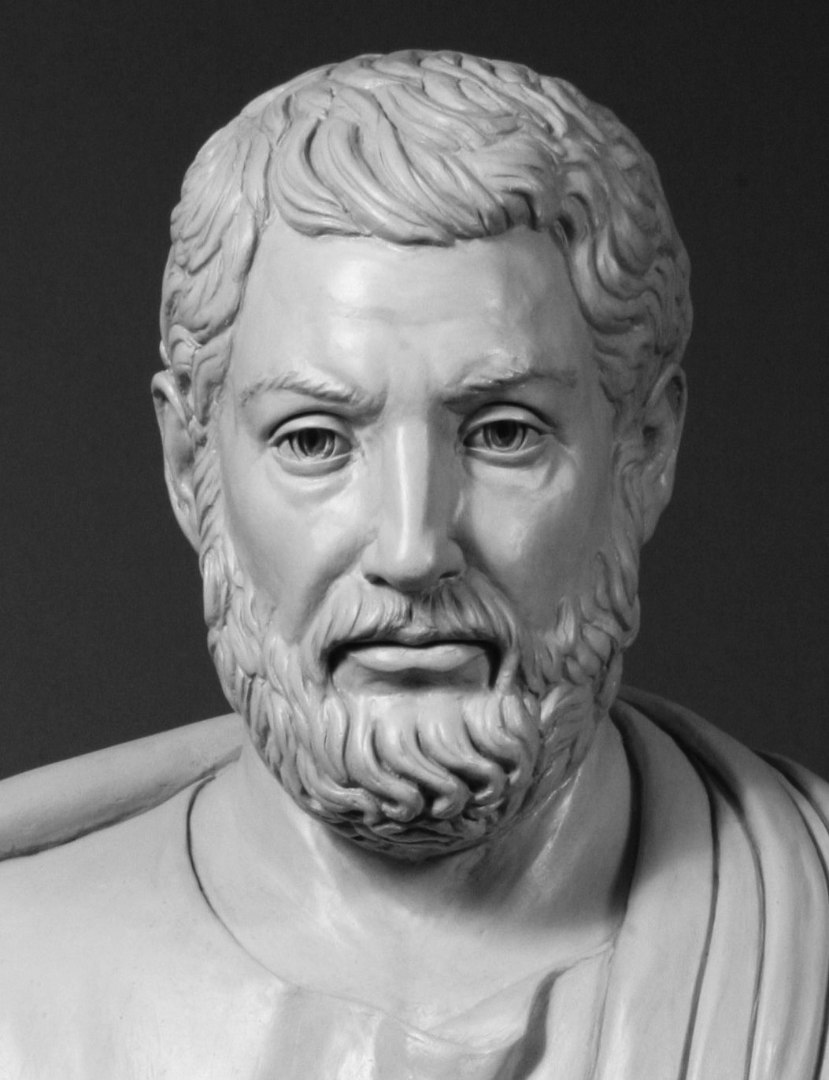
Modern bust of Kleisthenes, known as "the father of Athenian democracy", on view at the Ohio Statehouse, Columbus, Ohio wikimedia 
> **Note:** No one can spell this guys name. The spelling Cleisthenes or Clisthenes is found in older English texts and translations. Reflects Latinized spelling conventions. More common in classical literature and general English encyclopedias.
# Background - Kleisthenes came from the powerful **Alcmaeonid family**, long active in Athenian politics. - After the ousting of the tyrant Hippias, Kleisthenes competed with rival aristocrats, including Isagoras, for influence over Athens. - To gain popular support, he proposed reforms that shifted power away from aristocratic clans and toward the citizen body.
# Reforms - Ten Phylai (Civic Divisions): Kleisthenes reorganized Athenian society into **ten new civic units (phylai)**. Each phyle was drawn from three different zones — coastal, inland, and urban — to break up old clan loyalties and mix populations. - Council of 500 (Boule): Each phyle contributed 50 members chosen by lot to a new council, which set the agenda for the Citizen Assembly (Ecclesia). - Demes: Citizens were registered in local units called **demes**, which became the foundation of civic identity and administration. For the first time, Athenians were known by deme affiliation rather than aristocratic lineage. - Ostracism: Introduced as a safeguard against tyranny, allowing citizens to vote once a year to exile a potentially dangerous figure for 10 years.

According to Herodotus, the Athenians made the "Gift of Earth and Water" to the Persians in 507 BC, at the time Kleisthenes was leading Athenian politics wikimedia 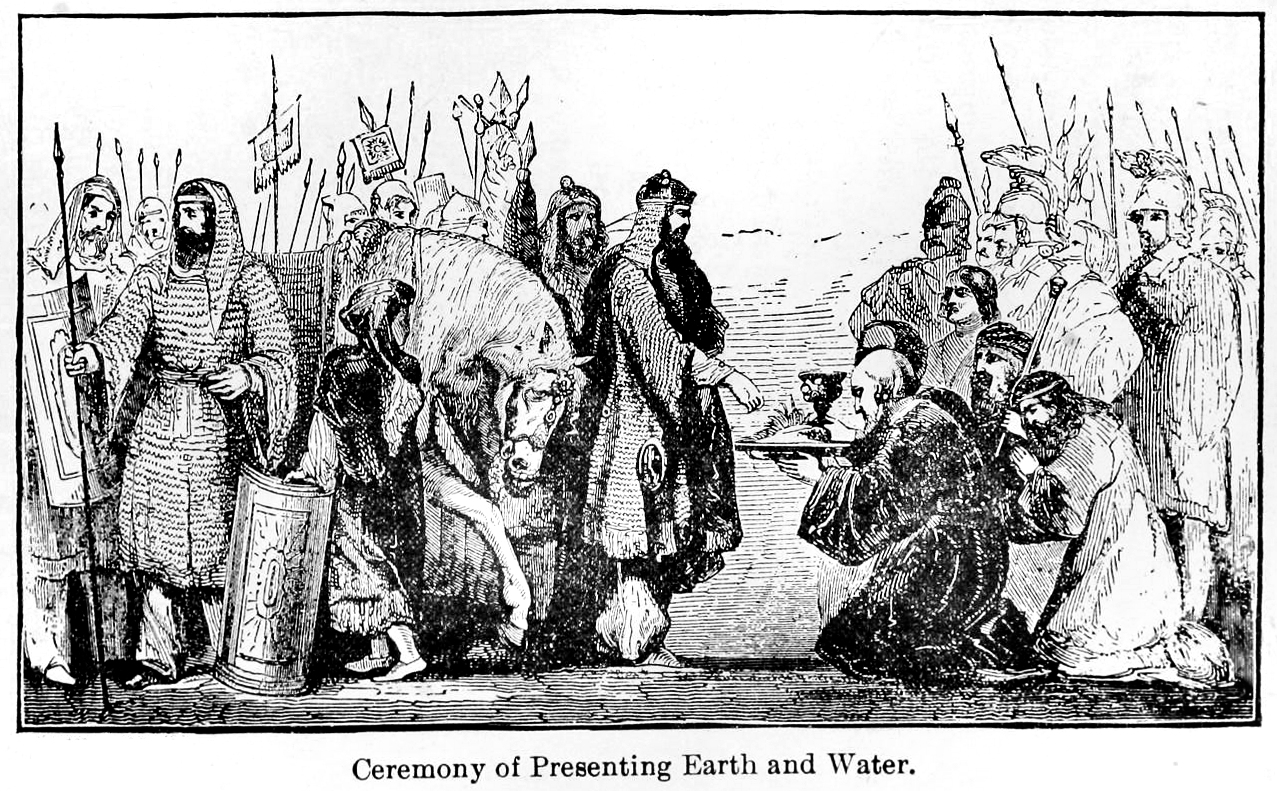
# Impact - Kleisthenes’ reforms created a new balance of power in Athens: citizens now identified with their **deme and phyle**, not with clan or aristocratic patronage. - His system ensured broader participation and laid the groundwork for later democratic developments, such as the empowerment of the Thetes in the Ecclesia. - By diffusing aristocratic dominance, Kleisthenes enabled Athens to become a model of early Direct Democracy.
# Legacy - Ancient authors hailed Kleisthenes as the **inventor of demokratia**, though he likely saw himself as restoring balance rather than inventing something entirely new. - His reforms remained the backbone of Athenian democracy throughout the Classical period. - Later democratic movements often looked back to Kleisthenes as the origin point of a citizen-based polity.
# See - Cold Dead Hands - The Democracy of Kleisthenes - Right of the Ecclesia - Ecclesia - Council of 500 - Ostracism - Demes - Phylai